
 Save to Pinterest
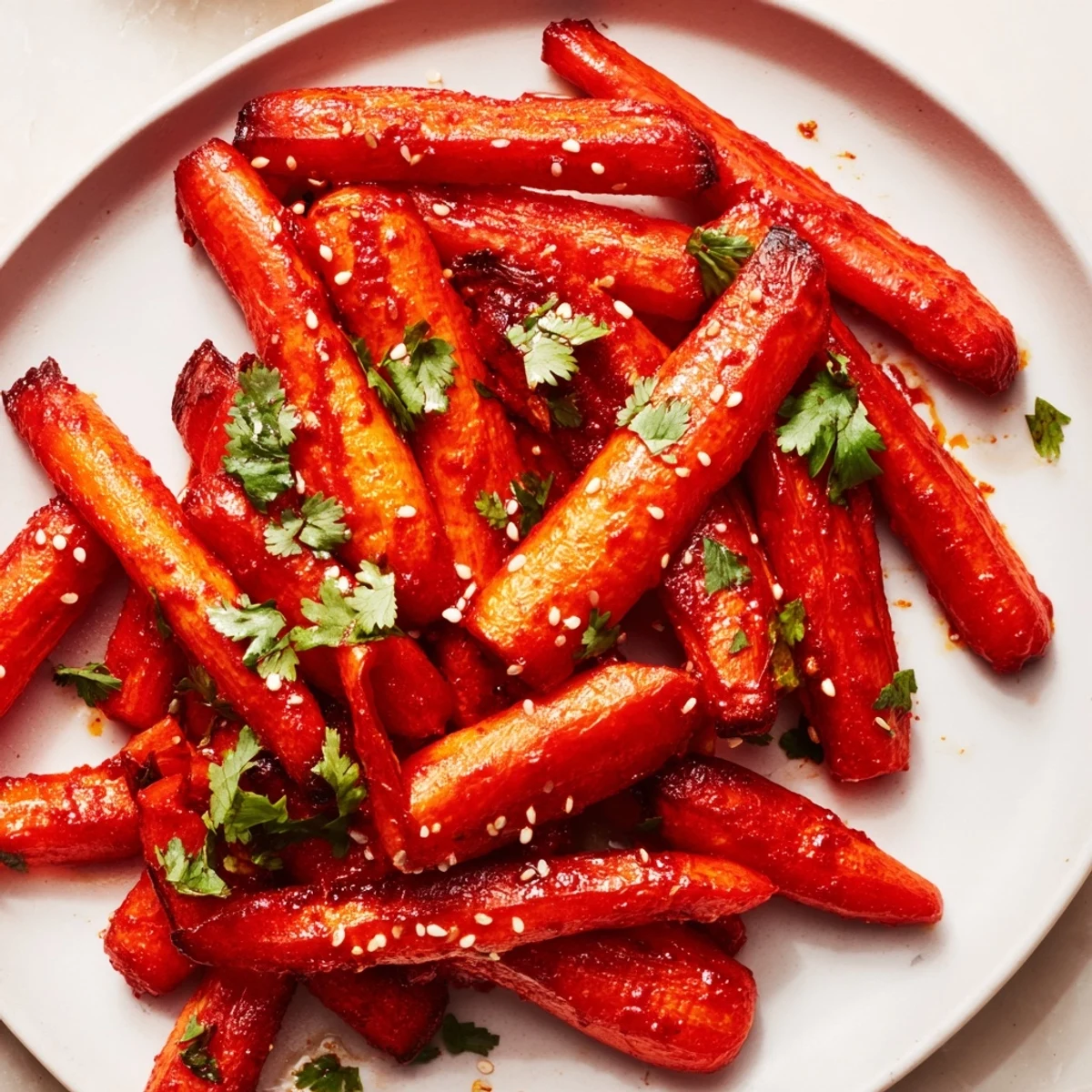
 This dish features tender carrots roasted to perfection with a smoky-sweet harissa glaze, enhanced by warm spices like cumin and smoked paprika. The caramelized edges deliver a gentle kick, balanced by fresh herbs and optional toasted nuts. Ideal as a colorful side, it brings vibrant Middle Eastern-inspired flavors to any meal. Preparation is simple and quick, roasting the carrots until tender and flavorful.
There's something magical about the moment a plain carrot transforms in the oven—when it goes from humble root vegetable to something caramelized and deeply satisfying. I discovered harissa roasted carrots on a chilly evening when I had exactly those three things in my kitchen: carrots, a jar of harissa I'd been too nervous to use, and the kind of hunger that demands boldness. What started as improvisation became one of those dishes I now make deliberately, not by accident.
I made this for a dinner party where I'd promised something "Middle Eastern-inspired" and had zero anxiety about it until guests started arriving. The aroma of roasting carrots with harissa filled the kitchen in the best way—warm, spiced, inviting—and somehow conveyed that I knew what I was doing. Watching people sprinkle those herbs and reach for lemon wedges told me everything I needed to know.
Ingredients
- Carrots: Use whatever you have—whole thin ones, thick ones cut into sticks—they all work because roasting mellows and sweetens them regardless. The variety in size means some edges caramelize while insides stay tender.
- Harissa paste: This North African chile paste is the backbone; it's simultaneously smoky, spicy, and strangely sweet. Start with less than you think you need and taste as you go.
- Honey or maple syrup: This balances the harissa's heat and helps create that caramelized exterior. Maple syrup keeps it fully vegan if that matters to you.
- Ground cumin and smoked paprika: These aren't filler—cumin adds warmth and depth while smoked paprika echoes the harissa's smokiness without adding heat.
- Fresh cilantro or parsley: The herbs bring brightness and freshness that cuts through the richness. Don't skip this step; it's the punctuation that makes the dish sing.
- Sesame seeds or pistachios: Optional but worth it for texture and a whisper of nuttiness that elevates the whole thing.
- Lemon wedges: Essential for squeezing over the top—acid brightens everything and brings the flavors into focus.
Instructions
- Set your oven to its hotness:
- Preheat to 425°F (220°C) and line a baking sheet with parchment paper. You want it hot enough that the carrots blister and caramelize, not just steam.
- Make your marinade:
- Whisk together olive oil, harissa paste, honey, cumin, smoked paprika, salt, and pepper until it looks like a thick sauce. This is where the magic lives—taste it and adjust the harissa amount if you want more or less fire.
- Coat the carrots:
- Add the carrots to the bowl and toss until every piece is slicked with that harissa glaze. Use your hands if a spoon feels inadequate—you want them coated thoroughly.
- Spread and roast:
- Arrange the carrots in a single layer on the baking sheet, letting them touch just slightly. Roast for 25 to 30 minutes, tossing halfway through so they brown evenly on all sides.
- Finish and serve:
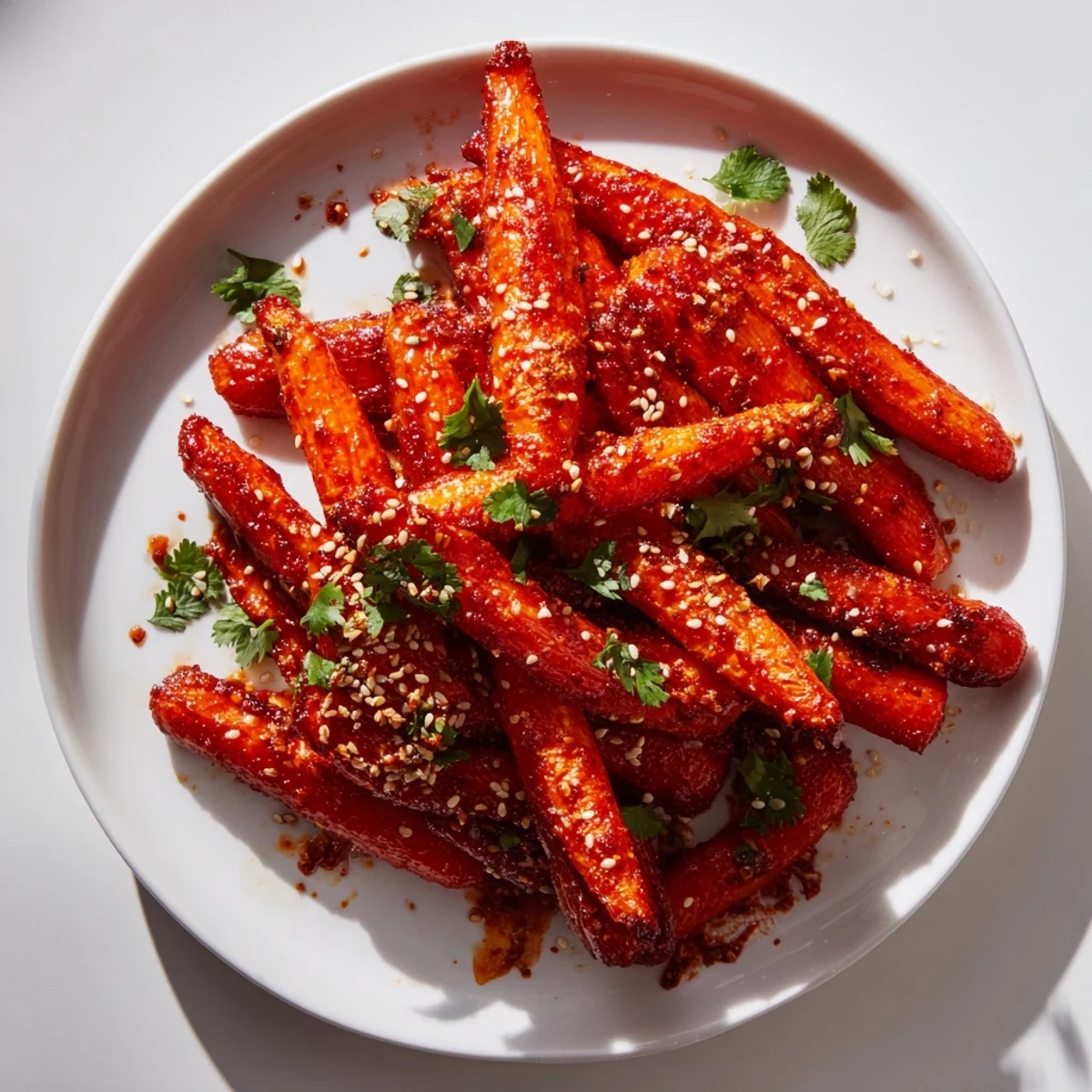
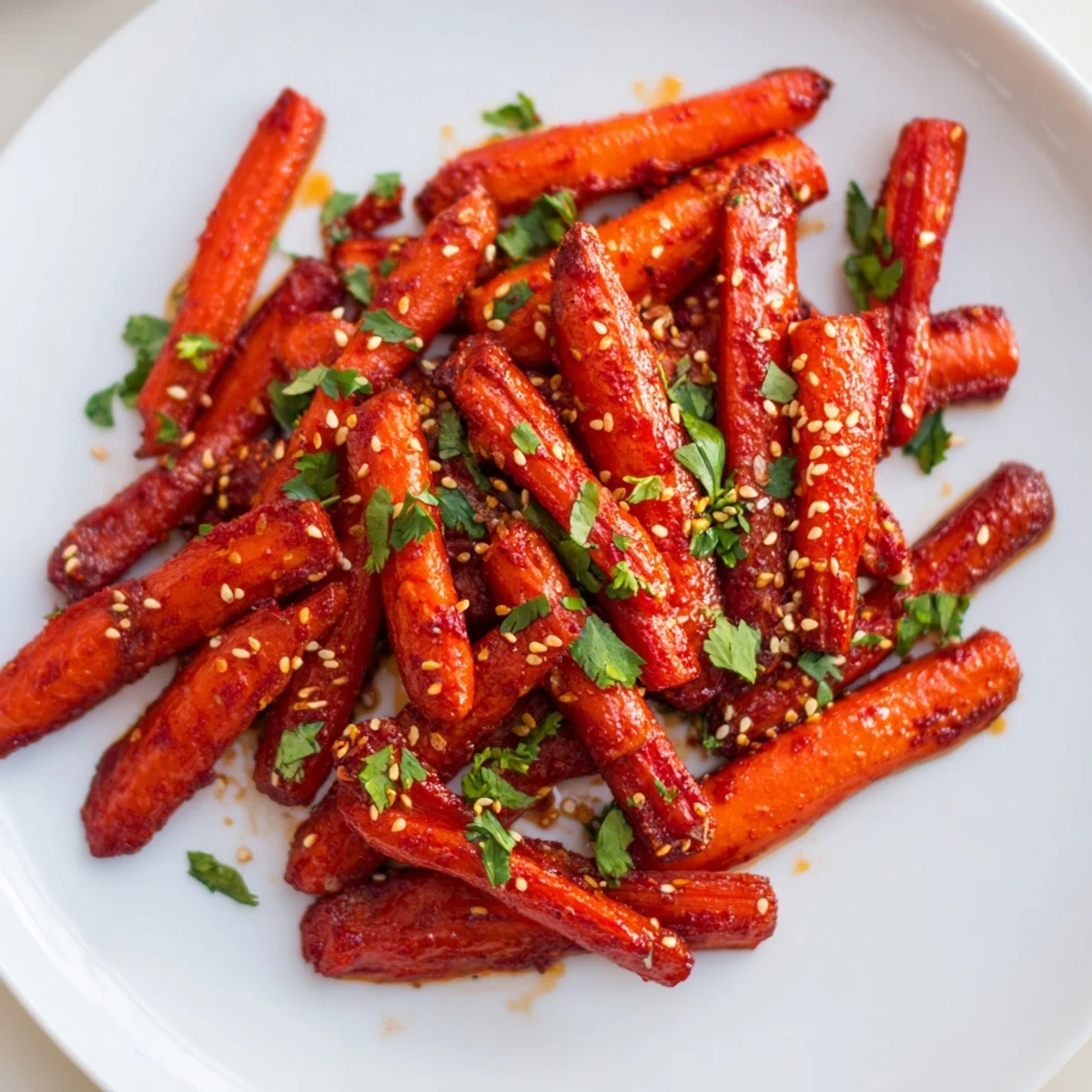
- Transfer to a platter, scatter with fresh herbs and sesame seeds or pistachios if using, and set lemon wedges alongside. Serve warm or at room temperature—it's good either way.
 Save to Pinterest
 This dish became something bigger the night I served it to my grandmother, who's skeptical of anything spiced beyond salt and pepper. She squeezed lemon over hers, took a bite, and got quiet in that way that means something just worked. She asked for the recipe—not to make it, but to tell her friends about it.
The Harissa Advantage
Harissa is the kind of ingredient that feels fancy because it's unfamiliar, but it's actually just chiles, spices, and salt. Once you have a jar, you'll find yourself reaching for it constantly—in marinades, stirred into yogurt, alongside roasted vegetables of every kind. This recipe is just the beginning of what harissa can do in your kitchen.
How to Build on This
These carrots shine alongside almost anything—crumbled feta and a grain like couscous or quinoa, roasted chickpeas with a squeeze of tahini, or grilled lamb or chicken if meat is part of your meal. They're also excellent chopped and folded into a mezze platter, where they compete happily with hummus, olives, and flatbread for attention.
Storage and Leftovers
Roasted carrots actually improve a day or two later as the flavors deepen and meld. Store them in an airtight container in the refrigerator for up to 4 days, and reheat gently in a 350°F oven for about 10 minutes if you want them warm again.
- Cold roasted carrots also work in salads, grain bowls, or as part of a vegetable sandwich.
- If you have extra marinade, it keeps for a week in the fridge and works on other roasted vegetables like parsnips, beets, or bell peppers.
- The herb and seed garnish should always be added fresh, just before serving, so it stays bright and crisp.
 Save to Pinterest
 This is the kind of dish that whispers rather than shouts, but lingers long after the meal ends. Make it when you want something that feels special without requiring you to be a special cook.
Recipe FAQs
- → What is harissa and how does it affect flavor?
-
Harissa is a North African chili paste combining smoky, spicy, and slightly sweet notes, adding warmth and depth to the carrots.
- → Can maple syrup be used instead of honey?
-
Yes, maple syrup works well as a sweetener, providing a vegan-friendly alternative without altering the dish's balance.
- → How do I achieve caramelized edges on the carrots?
-
Roast at a high temperature (425°F/220°C) and toss halfway through to ensure even caramelization and tender texture.
- → What garnishes complement this dish best?
-
Fresh cilantro or parsley adds brightness, while toasted sesame seeds or pistachios contribute crunch and nutty aroma.
- → Is it possible to adjust the spice level?
-
Yes, modify the amount of harissa paste or add chili flakes to control the heat according to preference.