
 Save to Pinterest
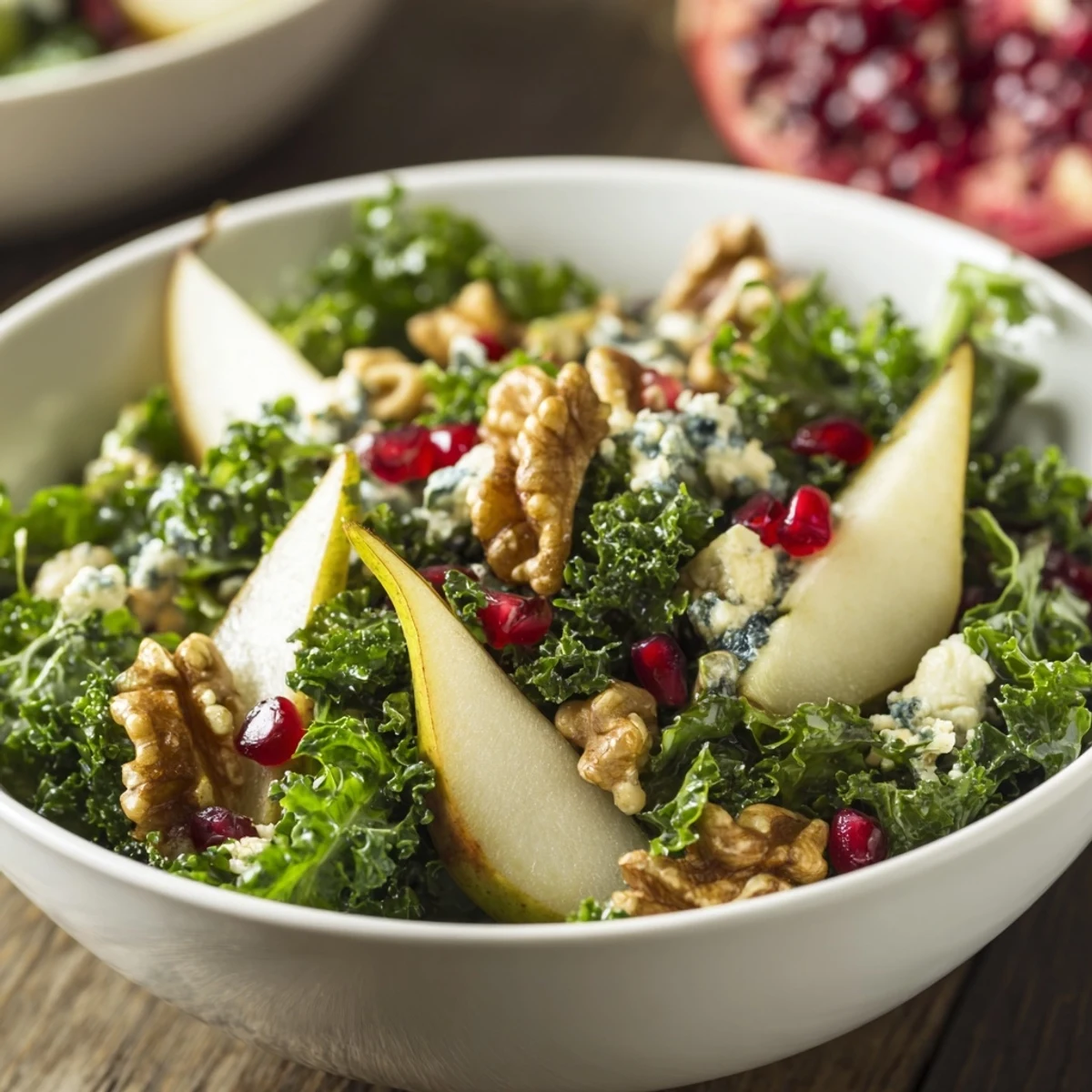
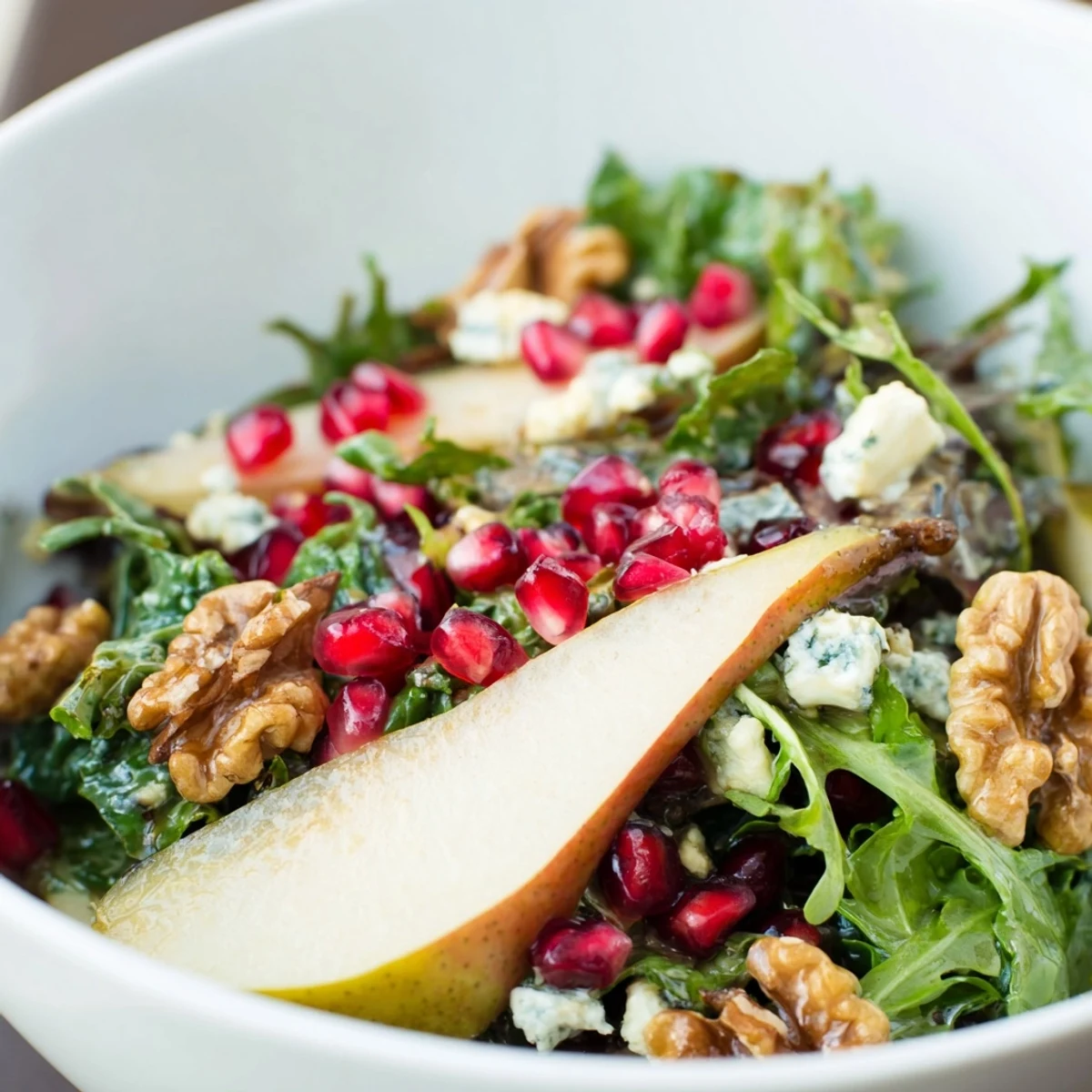
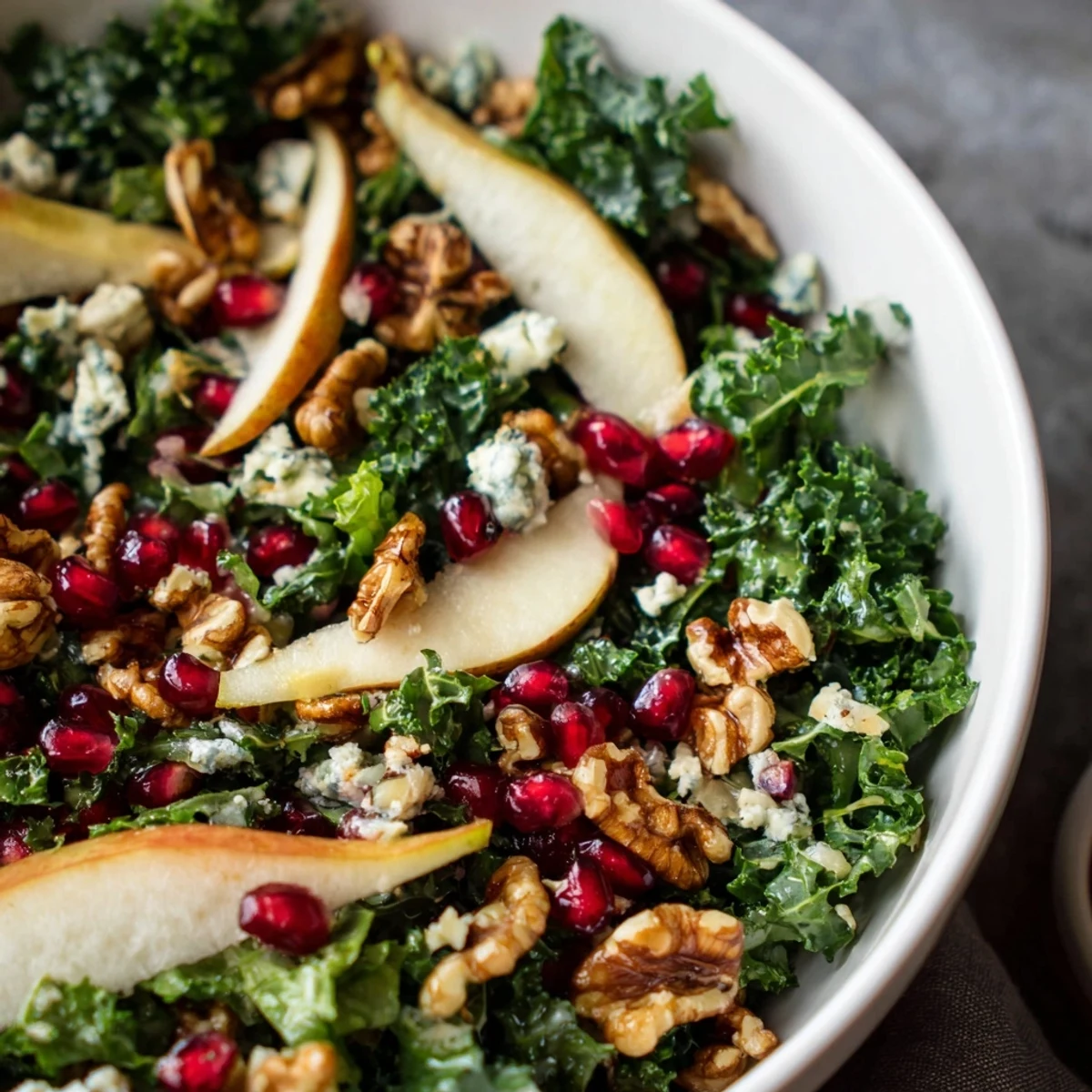
 This vibrant dish combines a mix of crisp winter greens like kale and arugula with thinly sliced ripe pears and toasted walnut halves. A tangy vinaigrette made from olive oil, apple cider vinegar, Dijon mustard, and a touch of honey brings a balanced acidity and subtle sweetness. Optional toppings include crumbled blue or goat cheese and pomegranate seeds for added texture and flavor. Simple to prepare in 15 minutes, this salad offers a refreshing, nutritious choice perfect for a light lunch or festive starter.
There's something about January that makes me crave salads again, not the limp iceberg ones but something alive and green. I was standing in the farmers market on a particularly cold morning when I spotted the most beautiful bunch of winter greens and perfectly ripe pears, and suddenly I knew exactly what I wanted to make. This salad came together that afternoon almost without thinking, the kind of dish that feels both nourishing and special without requiring any real effort.
I remember making this for a dinner party last winter and watching my friend who usually skips salad go back for seconds. She said it was the pears, how they got slightly soft where they touched the warm bowl, almost melting into the greens. That moment taught me that the simplest dishes often impress people the most because they taste like they were made with actual thought.
Ingredients
- Mixed winter greens: Use whatever combination appeals to you—I usually do a blend of kale for substance, arugula for a little peppery bite, and baby spinach for sweetness. The mix is what makes it interesting.
- Ripe pears: They should yield just slightly to pressure but not be mushy; they'll continue softening once they hit the vinaigrette. Bosc or Anjou work beautifully.
- Walnut halves: Toast them yourself if you can spare two minutes—it makes an enormous difference in flavor and gives you something warm against the cold greens.
- Blue cheese or goat cheese: Both work, though blue cheese is more assertive if you like sharper flavors; goat cheese is creamy and mild if you prefer subtlety.
- Extra virgin olive oil: This is where quality actually matters since there's nothing else to hide behind; find one you enjoy eating plain.
- Apple cider vinegar: It's gentler than other vinegars and plays beautifully with the pears and walnuts.
- Dijon mustard: Just a teaspoon acts as an emulsifier, helping the vinaigrette cling to the greens instead of pooling at the bottom.
- Honey or maple syrup: A touch of sweetness balances the vinegar's tang and echoes the natural sweetness of the fruit.
- Pomegranate seeds: Optional but lovely if you can find them; they add little bursts of tartness and a festive look.
Instructions
- Make the vinaigrette first:
- In a small bowl, whisk the olive oil, apple cider vinegar, Dijon mustard, and honey together until it looks slightly thickened and the ingredients have gotten to know each other. This takes maybe a minute of whisking and you'll feel it come together. Season with salt and pepper, tasting as you go because this is your chance to adjust.
- Prepare the greens:
- Wash and dry your greens thoroughly—any excess water will dilute the vinaigrette and make the whole thing watery instead of glossy. Put them in a large bowl where they have room to breathe.
- Slice and add the pears:
- Core your pears and slice them thinly using a sharp knife or mandoline if you have one. Add them to the bowl right away so they don't oxidize too much, though a little browning at the edges actually adds character.
- Toast the walnuts:
- If you haven't already, heat a dry skillet over medium heat and toss the walnuts in for about two to three minutes, stirring often until they smell toasty and warm. This step is honestly worth the extra pan.
- Combine and dress:
- Add the warm walnuts to the salad bowl, drizzle the vinaigrette over everything, and toss gently with your hands or two spoons, getting the dressing into every corner. The warmth of the walnuts will slightly soften the greens and deepen all the flavors.
- Finish and serve:
- Top with crumbled cheese and pomegranate seeds if using, and serve immediately while the walnuts are still warm and the pears are just starting to soften.
 Save to Pinterest
 There's a quiet satisfaction in finishing a salad that's actually delicious, knowing you made something that feels both simple and considered. This one reminds me why winter greens deserve better than being forgotten in the crisper drawer.
Why Winter Greens Deserve Your Attention
Winter greens are totally different from their summer cousins—they're sturdier, more flavorful, and they actually get sweeter after a frost because the plant converts starches to sugars. Kale becomes less bitter, spinach becomes earthier, and arugula gets a peppery intensity that makes the whole salad more interesting. I used to skip them entirely until I realized I was missing out on some of the best-tasting greens of the year.
The Science Behind the Vinaigrette
A properly emulsified vinaigrette is the difference between a salad that feels intentional and one that tastes like you poured random liquids on greens. The mustard acts as an emulsifier, helping oil and vinegar actually get along instead of separating into sad layers. The honey adds richness and helps everything bind together, which is why a tiny bit goes such a long way.
Building Flavor Through Contrast
The magic of this salad lives in putting opposing textures and flavors in the same bowl—crisp and soft, bitter and sweet, earthy and bright. Each element pulls the others forward, making everything taste more like itself. It's like how you need silence to appreciate music or shadows to see light.
- The acidity of the vinaigrette makes the pears taste sweeter and the walnuts taste richer.
- The cheese adds a salty, creamy note that everything else bounces off.
- Even the pomegranate seeds, if you use them, add unexpected tartness that makes you take another bite.
 Save to Pinterest
 This salad has become my go-to when I want to feel like I'm taking care of myself without making it complicated. It's proof that the best meals don't need to be fussy to be memorable.
Recipe FAQs
- → What types of greens work best for this salad?
-
Mixed winter greens such as kale, arugula, baby spinach, or frisée provide a fresh, crisp base with varied textures and flavors.
- → Can I substitute the pears with another fruit?
-
Yes, apples can be used as a crunchy alternative to pears, offering a similar sweetness and texture.
- → How should I toast the walnuts?
-
Toast walnut halves in a dry skillet over medium heat for 2–3 minutes until fragrant and slightly browned to enhance their flavor.
- → What dressing is recommended for this combination?
-
A vinaigrette made with extra virgin olive oil, apple cider vinegar, Dijon mustard, and a touch of honey perfectly complements the ingredients with tang and sweetness.
- → Is this dish suitable for dairy-free diets?
-
Yes, simply omit the cheese or use dairy-free alternatives to keep it dairy-free while maintaining flavor.
- → What are some good drink pairings for this salad?
-
A crisp Sauvignon Blanc or a light-bodied white wine pairs beautifully, balancing the tangy and nutty flavors.